![[Fast-Drying Pet Feeding Mat] Splash-Proof, Absorbent, Easy to Cl...](https://m.media-amazon.com/images/I/41Lj5J43BgL._AC_.jpg)







![MARBLERS Purple Mica Powder [Ash Lilac Pearl] 3oz (85g) | Cosmeti...](https://m.media-amazon.com/images/I/41LxqP975-L._AC_.jpg)
Black Powdercoat Paint
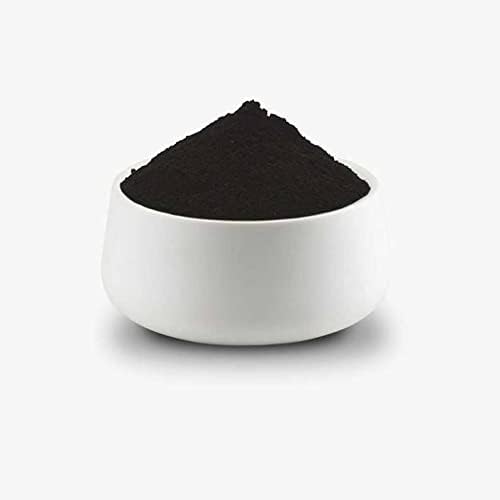
Black powdercoat paint is a type of coating that is applied as a free-flowing, dry powder. Unlike conventional liquid paints, it does not require a solvent to keep the binder and filler parts in a liquid suspension form. Once applied, this powder is cured under heat, transforming it into a hard, durable finish. Composed primarily of a thermoset resin, pigments, and various additives, black powdercoat paint boasts excellent resistance to corrosion, chemicals, and UV radiation, making it a popular choice in a variety of applications.
The advantages of using black powdercoat paint are substantial. One of the primary benefits is its durability; the finished product is significantly more resistant to scratches, chipping, and fading compared to standard liquid paints. This resilience extends the life of the surfaces coated with black powdercoat, making it suitable for both indoor and outdoor applications. Additionally, the powder coating process is more environmentally friendly, as it produces negligible amounts of volatile organic compounds (VOCs), contributing to reduced air pollution.
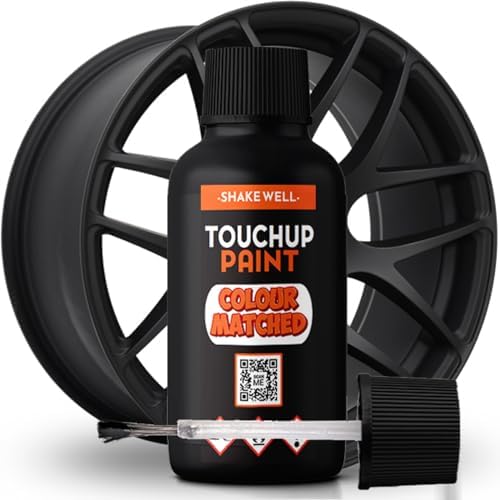
Black powdercoat paint is widely used across various industries including automotive, architectural, and furniture manufacturing. In the automotive sector, it is often used to coat wheels, chassis parts, and accessories, ensuring they withstand the rigors of the road. In architecture, it is favored for window frames, railings, and outdoor fixtures due to its aesthetic appeal and longevity. The versatility of black powdercoat also extends to household items, such as lighting fixtures and appliances, providing both functional and decorative enhancements.
Understanding the properties and applications of black powdercoat paint will help you recognize the importance of sourcing quality paint and engaging reputable contractors. By doing so, you ensure that the final product not only meets aesthetic expectations but also performs reliably in various environmental conditions.
Evaluating Suppliers of Black Powdercoat Paint
When it comes to sourcing black powdercoat paint, it is essential to thoroughly evaluate potential suppliers to ensure that they meet your specific needs for quality and service. High-quality powdercoat paint is crucial for achieving a durable finish, so understanding what constitutes a reliable supplier can greatly impact your project’s success.
One of the primary factors to consider is the quality of the powdercoat paint offered. Look for suppliers that use high-grade materials that conform to industry standards. Checking for certifications and compliance with regulations can provide insights into the paint’s durability and performance. Additionally, inquire about their manufacturing processes to assess if they employ advanced technologies and quality control measures.
In addition to product quality, pricing is a significant factor. Conducting market research will allow you to compare prices from different suppliers. While it might be tempting to opt for the lowest price, it is crucial to consider whether the cheaper options deliver an equivalent quality. Therefore, balancing cost with quality is imperative.
Customer service is another critical element in evaluating suppliers of black powdercoat paint. Establishing a good relationship with your supplier can facilitate better communication if any issues arise. Consider reaching out to assess their responsiveness and willingness to assist you with inquiries. Moreover, reading reviews and testimonials from previous clients will provide you with a clearer view of their service level.
Overall, take the time to research and assess potential suppliers meticulously. Focus on quality, pricing, and customer service to ensure that you select a provider who aligns with your expectations and project requirements. Doing so will lay a strong foundation for your endeavors in using black powdercoat paint effectively.
Choosing the Right Contractors for Application
Selecting the appropriate contractor for applying black powdercoat paint is a pivotal step in ensuring high-quality results. The first criterion to consider is the contractor’s qualifications. Seek professionals who are certified and possess skilled training in powder coating applications. Certifications often signify a commitment to industry standards and continuous learning, which are essential for achieving optimal results.
Experience also plays a significant role in effectiveness and reliability. Contractors with extensive backgrounds in black powdercoat paint application are typically better equipped to handle the nuances of this process. They can navigate challenges that might arise during application and are more likely to deliver to expectations. It is beneficial to inquire about the years of experience they have and the range of projects they have executed, as this can provide insight into their capabilities.
Moreover, the techniques utilized by the contractor can substantially impact the final outcome. It is advisable to ask about the methodologies they employ, the types of equipment utilized, and whether they adhere to best practices in surface preparation and curing. Adopting the latest industry techniques can often lead to a more durable and aesthetically pleasing finish.
Checking references is equally critical. Speak with previous clients to gauge the contractor’s reliability and quality of work. Positive feedback from past clients can serve as a reassuring indicator of their performance. Additionally, gathering quotes from multiple contractors can assist in comparing services and costs, enabling a more informed decision.
Ultimately, selecting the right contractor involves a combination of assessing qualifications, experience, application techniques, and client feedback. Making an informed decision in these areas will lead to a successful black powdercoat painting project.
Maintenance and Support After Application
Maintaining the integrity of black powder coat finishes is essential to prolong their lifespan and ensure aesthetic appeal. After the application of powder coat, it is crucial to establish a routine maintenance schedule. Black powder coat finishes are typically durable, but they are not impervious to wear and tear. Regular cleaning with mild soap and water can remove contaminants such as dust, grime, and chemicals that may affect the finish. For areas exposed to harsher environmental conditions, additional care may be necessary.
It’s also important to be vigilant regarding potential issues that may arise post-application. Common problems include chipping, fading, or peeling, which can be attributed to improper application techniques or inadequate surface preparation prior to coating. If any defects are observed, reaching out to your supplier or contractor promptly is advisable. A reputed contractor should provide warranties for their work, ensuring that they will address any issues that occur within a specified period. This support is vital to maintain the quality and durability of the black powder coat finish.
Establishing effective communication with your black powder coat suppliers and contractors is key to ongoing support. Clearly discussing maintenance needs and potential issues during the initial project phase can help set expectations. Furthermore, be proactive in seeking their advice on best practices for care and maintenance. Suppliers often provide tailored recommendations based on the specific coating materials used and environmental factors affecting the application. By fostering a strong relationship with your contractor, you can ensure that you receive valuable insights and prompt assistance whenever needed.